Selling advice · 18 November 2026
A boat that is easy to understand is easier for a buyer to assess. Before spending money on upgrades or reducing the asking price, put together a clear sale pack: the specification, supporting documents, current photographs and an honest account of condition.
This is useful whether you want a private sale or an outright trade offer. It gives the other party something concrete to evaluate and reduces the repeated questions that slow an enquiry down.
Start with a one-page specification
Write down the make, model, hull year, engine model and engine year separately. Include recorded hours, fuel type, location and whether a trailer is included. If a detail is uncertain, say so instead of guessing.
List the equipment that stays with the boat. An inventory avoids assumptions about electronics, tenders, safety equipment and personal belongings. Add dates for major work and identify which claims you can support with invoices.
Make the paperwork easy to follow
The RYA guide to buying and selling identifies ownership records, registration documents, applicable compliance evidence, VAT evidence and service information among the documents buyers may ask to see.
Gather what you hold and make a list of anything missing. Keep originals safe and share copies securely when appropriate; do not publish documents containing private addresses or signatures in an advert. Document requirements depend on the boat and transaction, particularly across borders. A folder of receipts is helpful evidence, not a substitute for checking ownership or tax status.
Photograph the boat as it is now
Use a coherent set of recent pictures: both sides of the hull, cockpit, helm, accommodation where fitted, engine and trailer. Include clear views of known damage. A buyer should be able to understand the layout without piecing together unrelated holiday photographs.
Boats.com’s photography guide recommends filling the frame with the boat and choosing light that reduces glare. That is more useful than a dramatic distant shot in which the vessel is barely visible. Avoid filters that change the appearance of surfaces or conceal staining.
Separate preparation from expensive improvement
Cleaning, removing clutter and making access straightforward can improve a viewing. The boats.com selling guide also highlights attending to familiar faults that an owner may have stopped noticing.
That does not mean every upgrade will repay its cost. Make three lists: essential repairs, inexpensive presentation jobs and optional improvements. Obtain quotes for unresolved work and disclose it clearly. Do not describe an engine as serviced simply because it starts, or a trailer as roadworthy because it has been used before.
Be clear about the selling route
A retail asking price and an outright trade offer answer different questions. A trader must allow for preparation, transport, holding costs, resale uncertainty and a margin. A private seller retains more of that work and risk. Neither an advertised price nor money spent on upgrades proves what a buyer will pay.
For an initial BuyAnyBoat purchase enquiry, send the specification, location, recent photographs, known faults and your asking price. BuyAnyBoat assesses suitable boats for direct purchase; submitting details does not guarantee an offer.
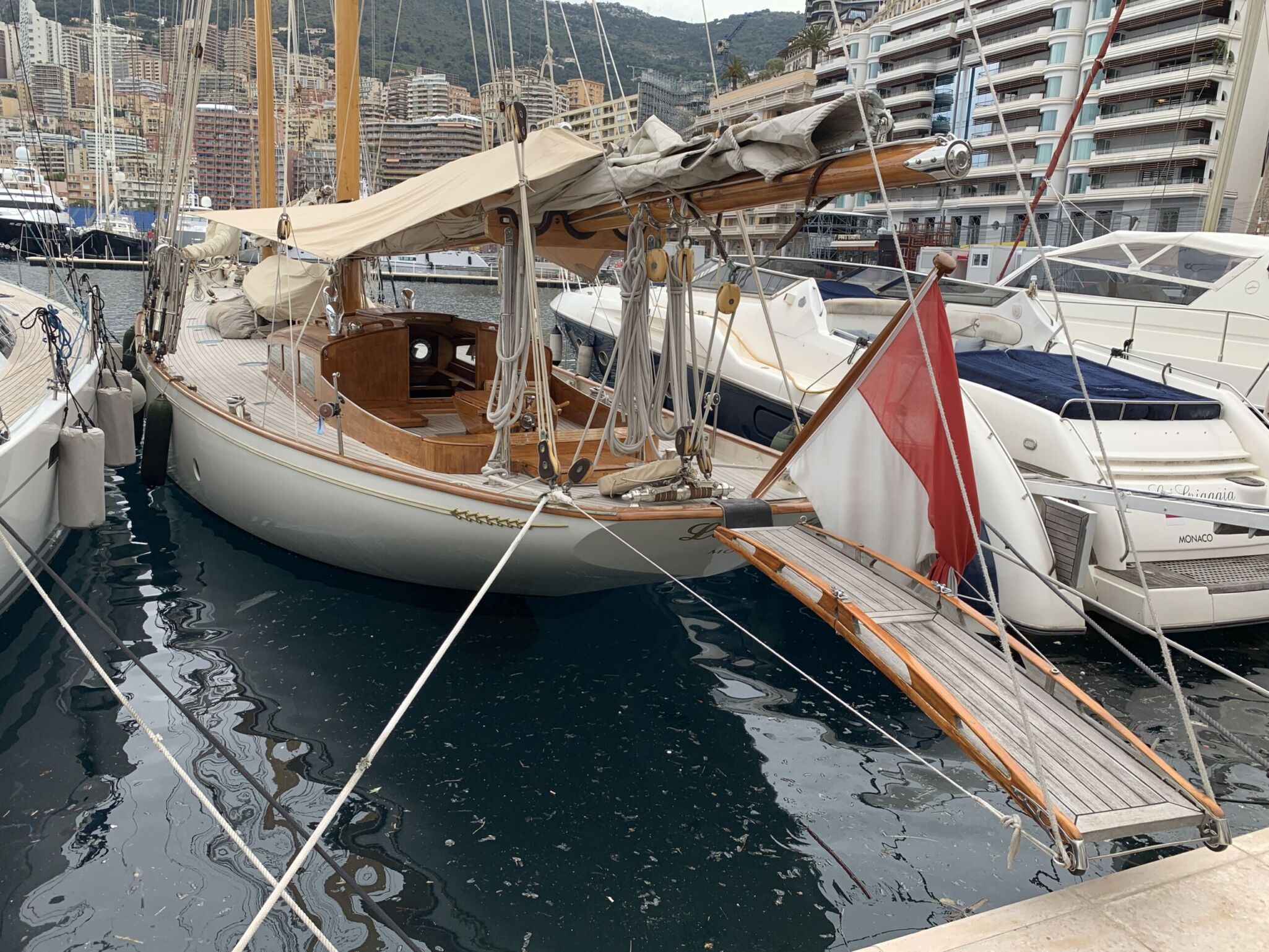
Illustrative photograph: Eric Ward / Unsplash.